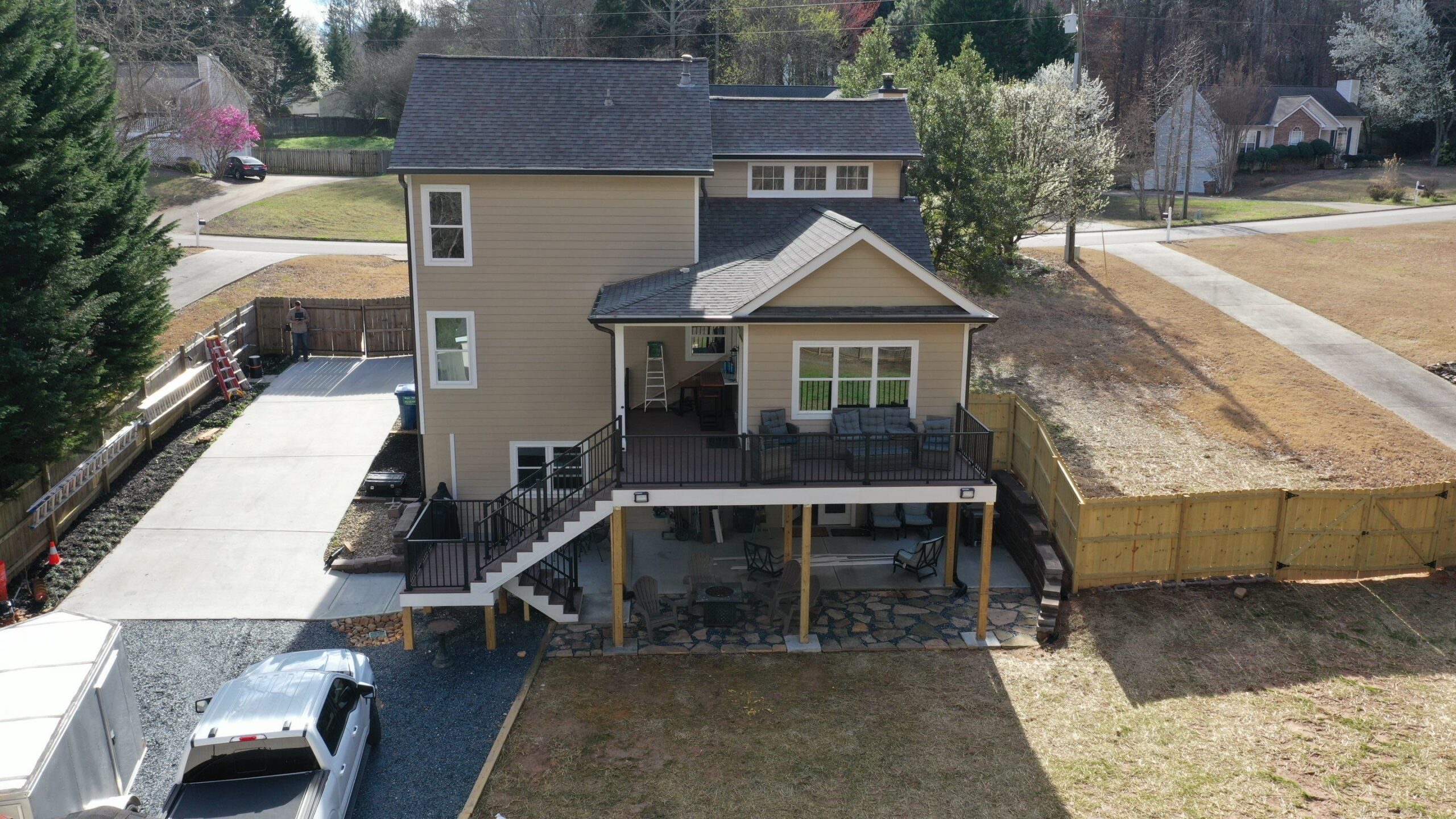
Your siding takes a beating in Canton. Between June humidity that hovers near 80%, UV exposure that bleaches cheaper materials in under five years, and afternoon thunderstorms that dump two inches in an hour, your exterior cladding needs to handle what Georgia throws at it.
The best siding for Canton GA isn't the same product that works in Phoenix or Portland. Fiber cement (James Hardie), engineered wood composites (Nichiha), vinyl, and traditional wood each perform differently when facing our climate. Some warp. Some fade. Some hide moisture damage until it's catastrophic. This guide walks you through how each material performs in Canton's specific weather patterns so you can choose siding that lasts 30+ years instead of needing replacement in 10.
Why Siding Material Choice Matters in Canton's Climate
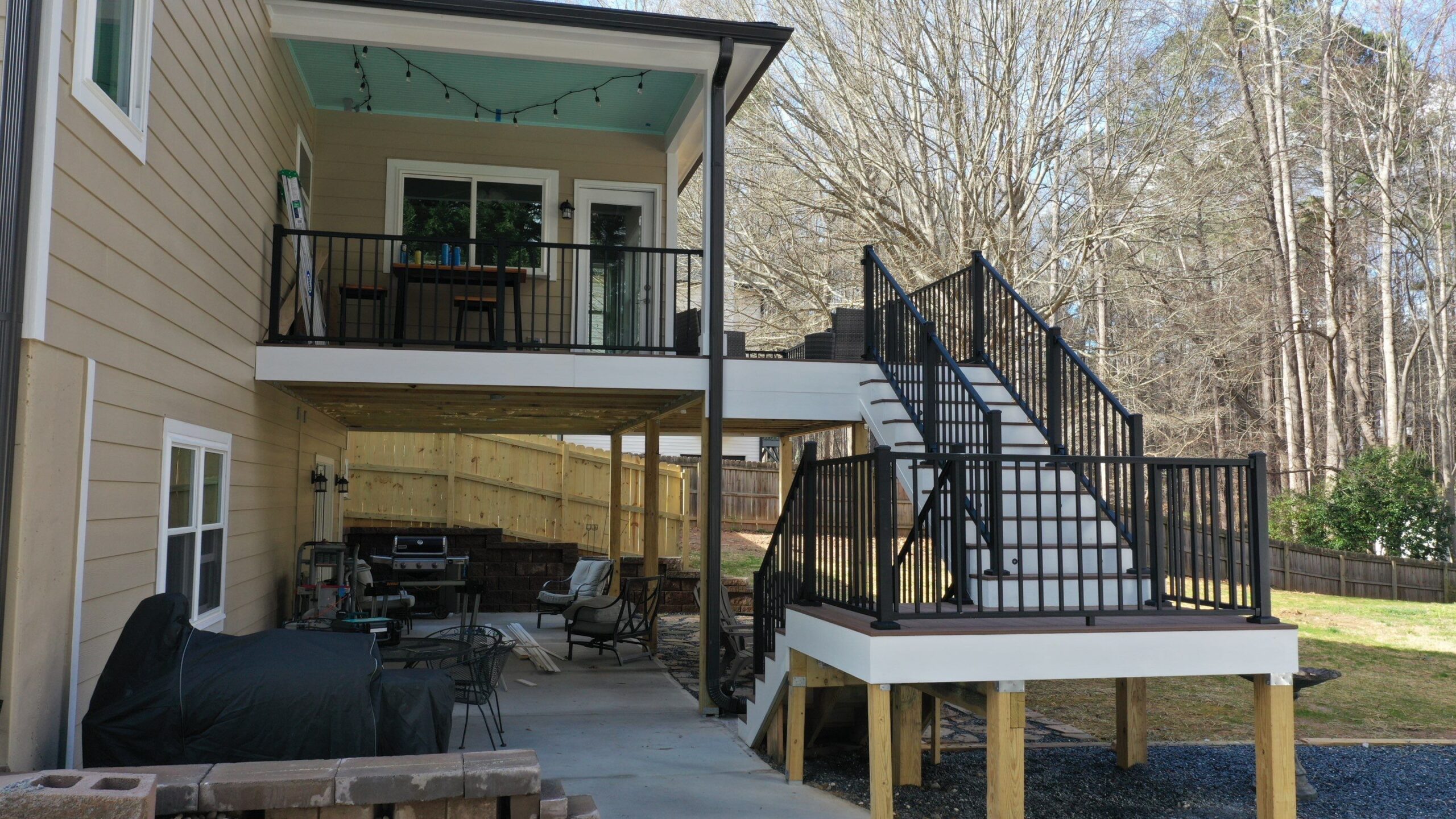
Canton sits in USDA hardiness zone 7b. That means mild winters with occasional ice, brutal summer heat that routinely hits 92°F, and humidity levels that create the perfect environment for rot, mold, and insect damage behind improperly installed cladding.
Your siding needs to handle three specific stressors:
Moisture Resistance and Vapor Permeability
Georgia summers generate constant condensation cycles. When air-conditioned interior air meets hot, humid exterior conditions, moisture accumulates inside wall cavities. Siding that traps moisture instead of allowing controlled vapor transmission creates hidden rot pockets. Fiber cement and engineered composites breathe better than vinyl, which can trap moisture against sheathing if not detailed with proper drainage planes.
UV Degradation and Color Retention
Canton receives roughly 2,800 hours of bright sunshine annually. UV radiation breaks down pigments in cheaper siding materials, causing visible fading within 3 to 5 years. Darker colors fade faster. Budget vinyl shows chalking and color shift. Premium materials like James Hardie use baked-on ColorPlus® Technology that resists UV breakdown for 15+ years without repainting.
Thermal Expansion and Contraction
Summer surface temperatures on south-facing walls can exceed 150°F. When evening storms drop temps by 30 degrees in an hour, siding expands and contracts. Vinyl siding Canton contractors install without proper expansion gaps will buckle. Fiber cement's low thermal movement coefficient (roughly half that of vinyl) means fewer waves, buckles, and fastener pops over time.
Siding projects in Canton require installers who understand these climate-specific installation details, not just generic national best practices.
Fiber Cement Siding: The Gold Standard for Georgia Durability
James Hardie fiber cement dominates the premium siding market in Canton for good reason. It's engineered specifically for high-moisture climates through their HZ10® formulation, which resists freeze-thaw damage and moisture intrusion better than standard fiber cement.
How James Hardie Performs in Canton Heat and Humidity
Fiber cement is a composite of cellulose fiber, sand, and cement. It's dimensionally stable across temperature swings, non-combustible (critical during Georgia's dry fall fire season), and impervious to termites and carpenter bees (both endemic to North Georgia). The material doesn't rot, warp, or swell when exposed to moisture cycles.
James Hardie's proprietary ColorPlus® finish is baked on in a controlled factory environment, creating an UV-resistant coating that lasts three times longer than field-applied paint. In Canton's sun exposure, that translates to 15 to 20 years before you need to think about repainting, compared to 5 to 7 years for wood or budget fiber cement with site-applied finishes.
Installation Considerations for Canton Projects
Proper fiber cement installation in humid climates requires specific detailing:
- Drainage plane behind cladding: Building wrap plus rainscreen furring strips create an air gap that allows moisture to escape and prevents trapped condensation.
- Flashing at all penetrations: Windows, doors, vents, and trim transitions need head flashing and sill pans to shed water away from sheathing.
- Correct fastener schedule: Fiber cement is heavy (roughly 2.3 pounds per square foot). Fasteners must hit studs, not just sheathing, and must be placed according to manufacturer specs to prevent board cracking during thermal movement.
We're a James Hardie preferred installer, which means factory training on these Canton-specific best practices. Incorrect installation voids the warranty and creates the exact moisture problems you're trying to avoid.
Warranty and Long-Term Value
James Hardie backs their product with a 30-year non-prorated warranty on the siding itself and a 15-year finish warranty on ColorPlus®. That's transferable once if you sell your home, which adds resale value. According to Remodeling Magazine's Cost vs. Value report, fiber cement siding recoups a substantial percentage of its cost at resale in the Atlanta metro market.
Nichiha Engineered Wood Composite: A Climate-Matched Alternative
Nichiha fiber cement offers similar performance to James Hardie with a few differences in aesthetics and installation. Nichiha's textured panels mimic natural cedar grain with greater depth than smooth fiber cement, appealing to homeowners who want wood appearance without wood maintenance.
Moisture Performance and Georgia Climate Compatibility
Nichiha's engineered wood composite uses autoclaved fiber cement technology, creating a denser, less porous substrate than standard fiber cement. That translates to better resistance to moisture infiltration in Canton's humid environment. The factory-applied finish is a multi-coat UV-resistant system similar to James Hardie's ColorPlus®, rated for 15+ years in direct sun exposure.
Nichiha panels install with a proprietary concealed fastener system on some profiles, eliminating visible nail heads and creating cleaner shadow lines. This reduces the number of penetrations through the cladding face, which in turn reduces potential moisture entry points during driving rainstorms.
Aesthetic Options for Canton Homes
Nichiha offers deep woodgrain textures, smooth contemporary finishes, and stone-look panels. If you're building or renovating a Craftsman, Modern Farmhouse, or Mountain Traditional home (all popular styles in Canton's established neighborhoods), Nichiha's panel variety gives you more design flexibility than standard lap siding.
We're certified Nichiha installers and stock several profiles for faster lead times on custom-built decks and whole-exterior renovation projects where siding, trim, and outdoor living spaces are designed together.
Vinyl Siding: When Budget Matters More Than Longevity
Vinyl siding remains an affordable option per square foot. It's low-maintenance, doesn't require painting, and modern formulations resist fading better than products from 15 years ago. But vinyl has performance trade-offs in Canton's climate.
How Vinyl Handles Georgia Heat
Vinyl is extruded PVC. It expands and contracts significantly with temperature swings (roughly twice the movement of fiber cement). If installed without correct expansion gaps at butt joints and trim transitions, it buckles visibly on hot afternoons. You've likely seen wavy vinyl siding on older Canton homes where installers nailed panels too tight.
Canton summers also soften vinyl. At surface temperatures above 160°F (common on west-facing walls in July), lower-grade vinyl can distort or even melt if reflected sunlight from Low-E windows concentrates heat. Premium vinyl formulations with higher impact modifiers and UV inhibitors perform better but cost substantially more than builder-grade products.
Moisture and Impact Resistance
Vinyl itself won't rot, but it traps moisture if not installed over a proper drainage plane. Because vinyl is thin and flexible, it telegraphs underlying sheathing imperfections. If your home has older OSB sheathing with moisture damage, that damage will remain hidden behind vinyl until it causes structural issues.
Georgia hailstorms (common in spring along the I-75 corridor from Canton south toward Atlanta) crack vinyl panels. Unlike fiber cement, which dents but rarely cracks, vinyl shatters on impact. Replacement involves removing and reinstalling multiple courses, and color-matching discontinued profiles becomes nearly impossible after 10 years.
When Vinyl Makes Sense
If you're managing a tight budget and plan to sell within 10 years, premium vinyl siding Canton GA contractors install with proper detailing can deliver acceptable performance. Choose thicker profiles (0.046" minimum), insulated backing panels for rigidity, and lighter colors to minimize heat absorption. Plan on inspecting fasteners and trim annually, because Canton's temperature swings work fasteners loose over time.
Wood Siding: Beauty with Serious Maintenance Demands
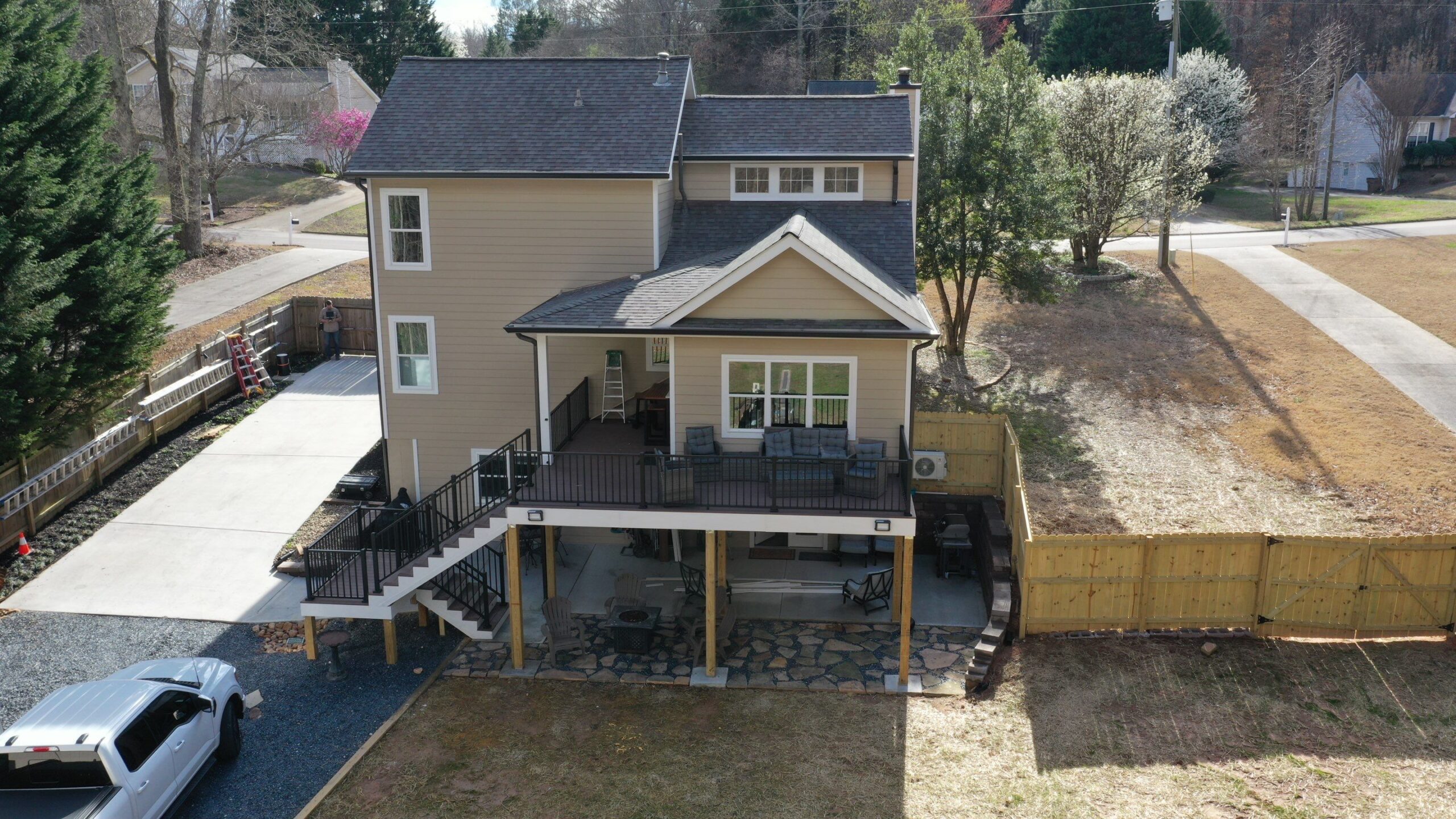
Cedar, redwood, and cypress siding deliver unmatched natural beauty. They're also the highest-maintenance option in Canton's climate. Wood expands, contracts, absorbs moisture, and requires refinishing every 3 to 5 years to prevent rot and insect damage.
Why Wood Struggles in North Georgia Humidity
Wood siding in Canton faces constant moisture cycling. Morning dew, afternoon thunderstorms, and 70%+ relative humidity from May through September keep wood damp. Even naturally rot-resistant species like Western Red Cedar will decay at butt joints, around fasteners, and wherever water pools if the finish film breaks down.
Carpenter bees (endemic to Georgia) bore into untreated softwoods and even some hardwoods. Termites are active year-round in Canton's mild winters. Both require preventative treatment and regular inspection when you have wood cladding.
When Wood Makes Sense (and How to Protect It)
If you're committed to wood's aesthetic for a historic renovation or high-end custom build, choose:
- Vertical grain cedar or cypress: Vertical grain sheds water better than flat grain and resists cupping.
- Back-primed boards: Factory-applied primer on the back face slows moisture absorption from behind.
- Rainscreen installation: A ventilated air gap behind wood siding allows it to dry between rain events, dramatically extending service life.
- High-quality finish: Solid-body stains or high-build paints with mildewcides rated for humid climates. Plan to recoat every 3 to 5 years.
Wood siding requires ongoing commitment. If you're not prepared to maintain it (or pay someone to do so), fiber cement or Nichiha gives you similar aesthetics with a fraction of the upkeep.
Choosing the Right Siding Material for Your Canton Home
Your siding choice depends on budget, aesthetic goals, and how long you plan to own the home. Here's a decision framework:
Match Material to Your Timeline and Budget
15+ year ownership, premium budget: James Hardie or Nichiha fiber cement. Factory finish, 30-year warranty, best ROI at resale, and lowest total cost of ownership when you factor in repainting cycles.
10 to 15 year ownership, mid-tier budget: Premium vinyl with insulated backing and lifetime finish warranty. Choose thicker profiles and lighter colors. Expect to replace after 15 to 20 years.
Budget-conscious or investment property: Builder-grade vinyl, installed correctly with drainage plane and expansion gaps. Plan for visible fading and possible panel replacement from storm damage.
Historic or custom high-end: Wood siding with professional maintenance contract. Budget for refinishing every 3 to 5 years, plus annual inspections.
Factor in Energy Efficiency
Insulated siding (foam-backed vinyl or fiber cement with rigid insulation) reduces thermal bridging through wall studs. In Canton's cooling-dominated climate, that can cut summer HVAC costs by 10% to 15%. Pair insulated siding with proper air sealing and attic insulation for maximum impact. Windows replacement at the same time as siding creates opportunities to detail the rough opening transitions for better air and water sealing.
Verify Installer Certification
Siding performance depends as much on installation quality as material choice. We're certified installers for James Hardie and Nichiha, which means factory training on moisture management, flashing details, and fastener schedules specific to Georgia's climate. A warranty is only as good as the installation behind it. Ask any contractor you're considering for proof of manufacturer certification and photos of completed projects in Canton showing flashing and drainage plane details.
Frequently Asked Questions
What is the best siding for Georgia humidity and heat?
Fiber cement siding (James Hardie or Nichiha) performs best in Georgia's humid climate. It resists moisture intrusion, won't rot or warp, and withstands UV exposure without fading for 15+ years. Fiber cement's low thermal expansion also prevents the buckling and waves common with vinyl in Canton's temperature swings. Premium vinyl can work if installed with proper expansion gaps and drainage planes, but expect a shorter service life.
How long does fiber cement siding last in Canton GA?
James Hardie and Nichiha fiber cement siding typically lasts 30 to 50 years in Canton's climate when installed correctly. The factory-applied finish (ColorPlus® or equivalent) maintains color for 15 to 20 years before needing repainting, compared to 5 to 7 years for wood or site-painted fiber cement. Proper installation with rainscreen ventilation and flashing extends service life by preventing moisture damage to sheathing and framing.
Does vinyl siding hold up to Georgia summers?
Premium vinyl siding can handle Georgia heat if installed with correct expansion gaps and lighter colors are chosen. Budget vinyl softens at temperatures above 160°F (common on west walls in July) and can warp or buckle. Vinyl also expands and contracts twice as much as fiber cement, causing visible waves if nailed too tight. For Canton's climate, choose thicker profiles (0.046" minimum), insulated backing, and professional installation to avoid heat-related failures.
Should I replace siding and windows at the same time?
Replacing siding and windows together allows your contractor to properly flash and seal the window rough openings, eliminating air leaks and water intrusion paths. Sequencing the projects separately often leaves gaps in the weather barrier and creates callbacks for leaks. Combining residential roofing, siding, and window replacement in a single exterior renovation also reduces mobilization costs and ensures consistent moisture management detailing across all penetrations.
Make Your Siding Choice with Confidence
Canton homeowners shouldn't have to guess which siding materials will hold up to Georgia's humidity, UV exposure, and afternoon storms. Fiber cement from James Hardie or Nichiha delivers the best combination of durability, low maintenance, and long-term value for our climate. Premium vinyl works for mid-tier budgets if installed correctly. Wood requires ongoing commitment but delivers unmatched beauty for those willing to maintain it.
We've served Canton and Metro Atlanta for over 15 years as a TrustDALE Certified contractor, TimberTech Platinum Pro, and GAF Certified installer. Our siding crews are factory-trained on the moisture management and flashing details that matter in North Georgia's weather. Every project starts with a transparent estimate, no surprises, and a clear timeline.
Schedule a free siding consultation and material comparison. We'll walk your property, assess your existing wall assembly, and show you samples of James Hardie, Nichiha, and premium vinyl so you can see and feel the difference before making a decision. Call (770) 243-9305 or visit our Contact us page to book your discovery call today.